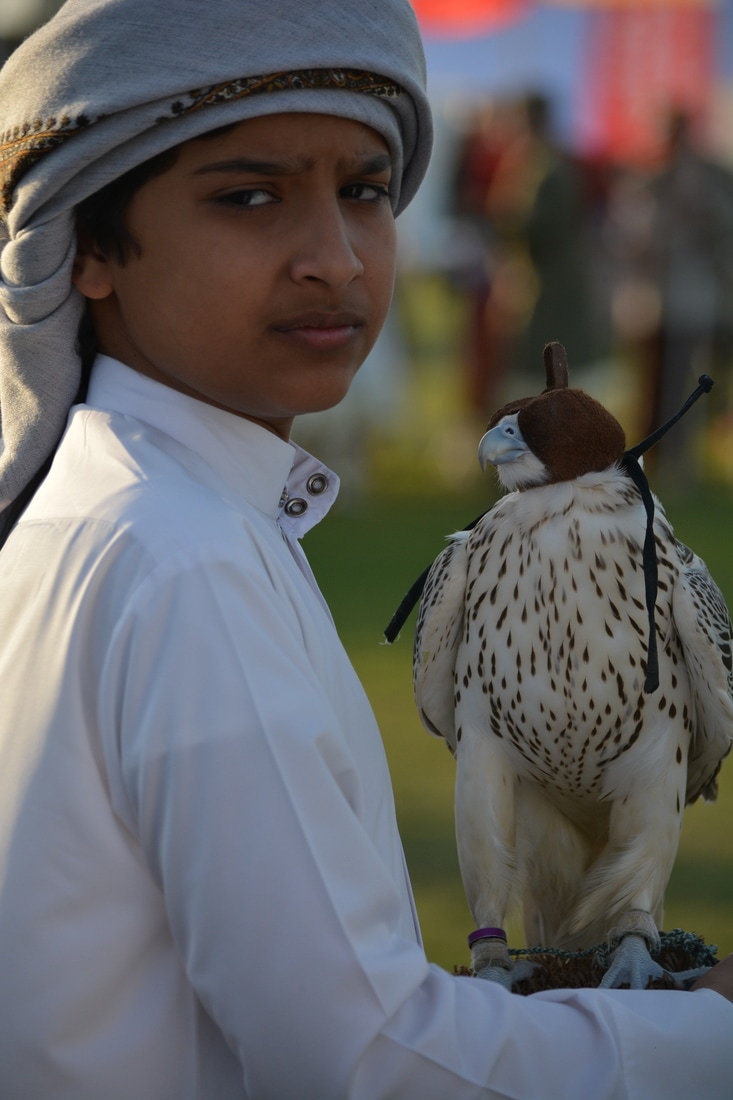
What is Emirati literature?
The area now known as the United Arab Emirates (UAE) was historically part of the Trucial States, a collection of small sheikhdoms along the southeastern Arabian Peninsula, whose rulers maintained local autonomy under treaties with the British Empire from the 19th century onward. These agreements ensured protection from external threats while allowing the sheikhdoms to manage internal affairs. The discovery of oil in the mid-20th century dramatically transformed the region, bringing unprecedented wealth and rapid urbanisation. In 1971, six sheikhdoms—Abu Dhabi, Dubai, Sharjah, Umm Al-Quwain, Fujairah, and Ajman—formed a federation, with Ras Al Khaimah joining shortly afterwards. The UAE was established as a modern federal state under the leadership of the Al Nahyan family in Abu Dhabi, with each emirate retaining significant autonomy. Ethnically, the population is primarily Arab, with a large expatriate community from South Asia, Southeast Asia, and other Arab countries, giving the UAE a highly cosmopolitan character.
Emirati literature has grown rapidly alongside the nation’s modernisation. Its early expressions were primarily oral poetry and folklore, reflecting Bedouin traditions, tribal life, and maritime culture. From the late 20th century onward, novels, short stories, and plays emerged, often exploring themes of urbanisation, identity, migration, cultural change, and the tension between tradition and modernity. Modern UAE literature is marked by a cosmopolitan perspective, reflecting the experiences of citizens navigating a fast-changing society alongside a large expatriate population. Prominent writers include Noura al Noman (science fiction and youth literature), Mohammed Al-Murr (short stories and novels), and Hessa Al Muhairi (children’s literature). Contemporary works frequently tackle issues of social transformation, gender roles, challenges and aspirations of a newly affluent Gulf society.
Recent books from Emirates are written both by Arabs and expats. One of them is The Sand Fish: A Novel from Dubai by Maha Gargash (1999). Set in 1950s Dubai, this novel tells the story of a young woman from a poor fishing family who is married off to a wealthy merchant. Gargash explores themes of social class, gender roles, and the clash between tradition and modernity. The novel provides a window into the societal changes occurring in the UAE during the mid-20th century. Temporary People (2017) by Deepak Unnikrishnan is quite differently situated. The author is not Emirati-born; he offers a unique perspective on the lives of migrant workers. The book is a collection of interconnected stories that explore the experiences of individuals living in the shadows of Dubai's rapid development. It sheds light on the often-overlooked narratives of those who make the new metropolis with their own hands.
I have read... nothing ...
|
Vertical Divider
|
I have written... nothing ...
|
Crossing Abu Dhabi on foot
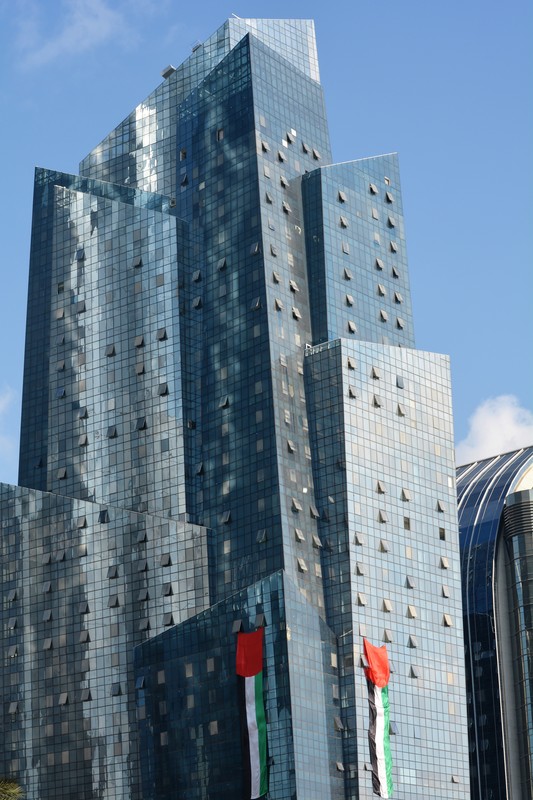
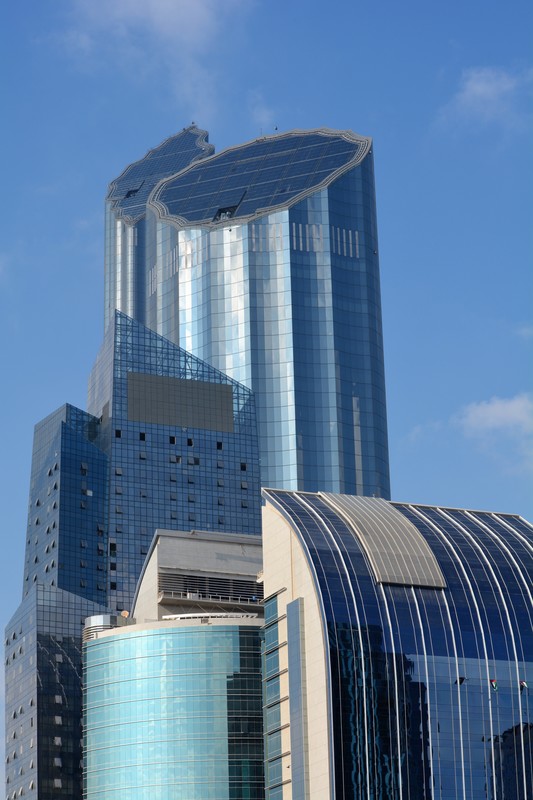
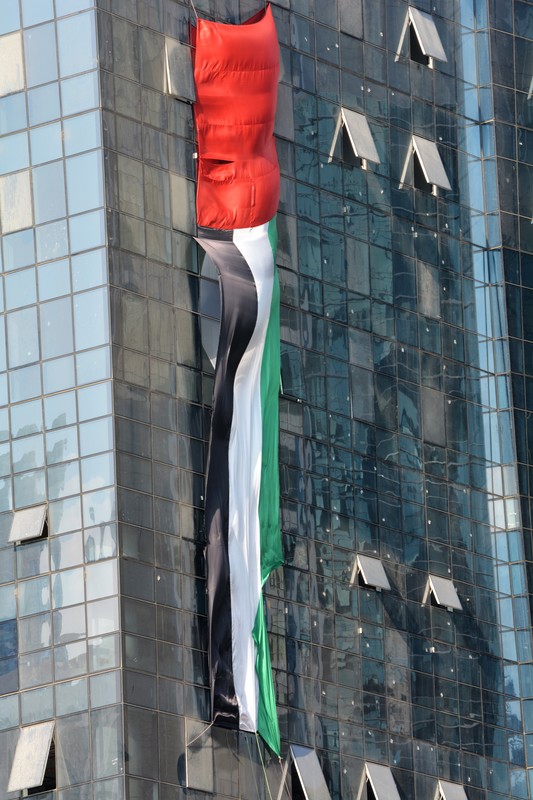
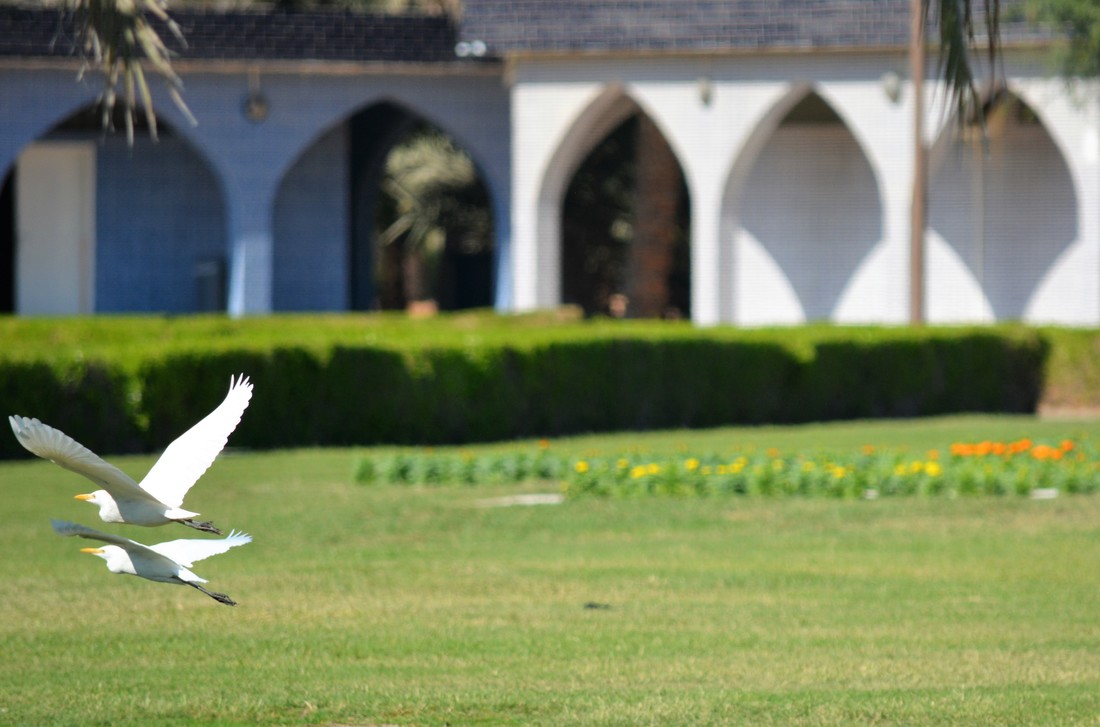
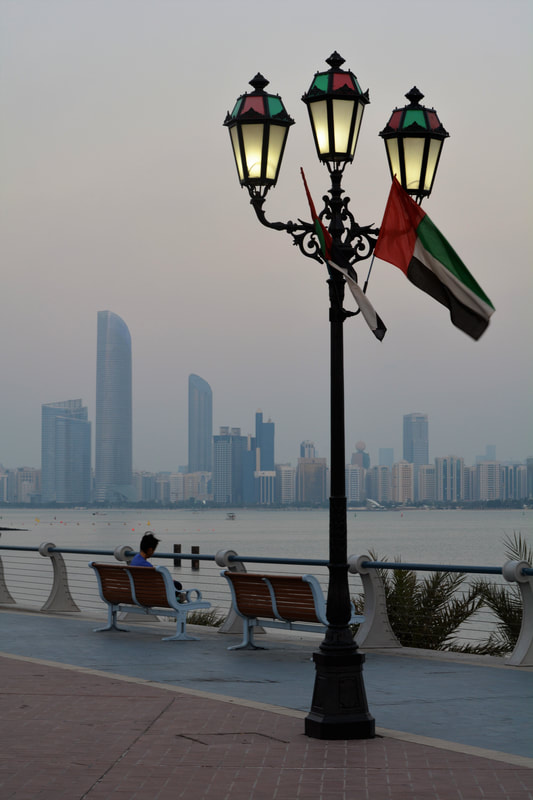
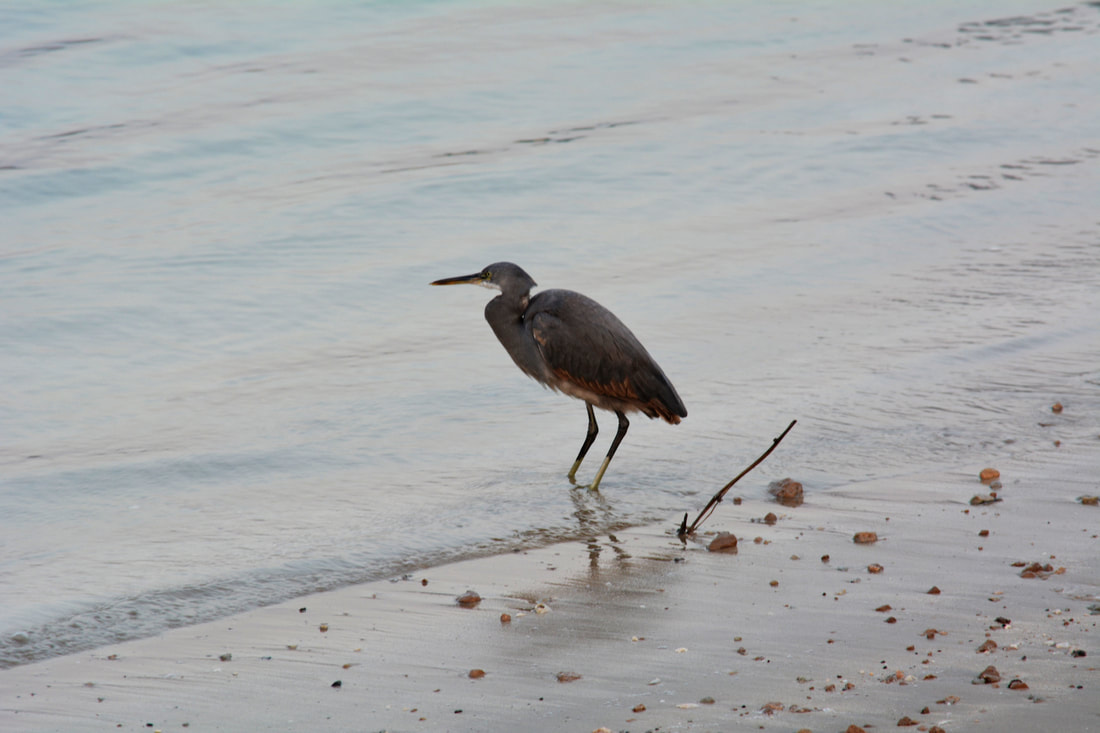
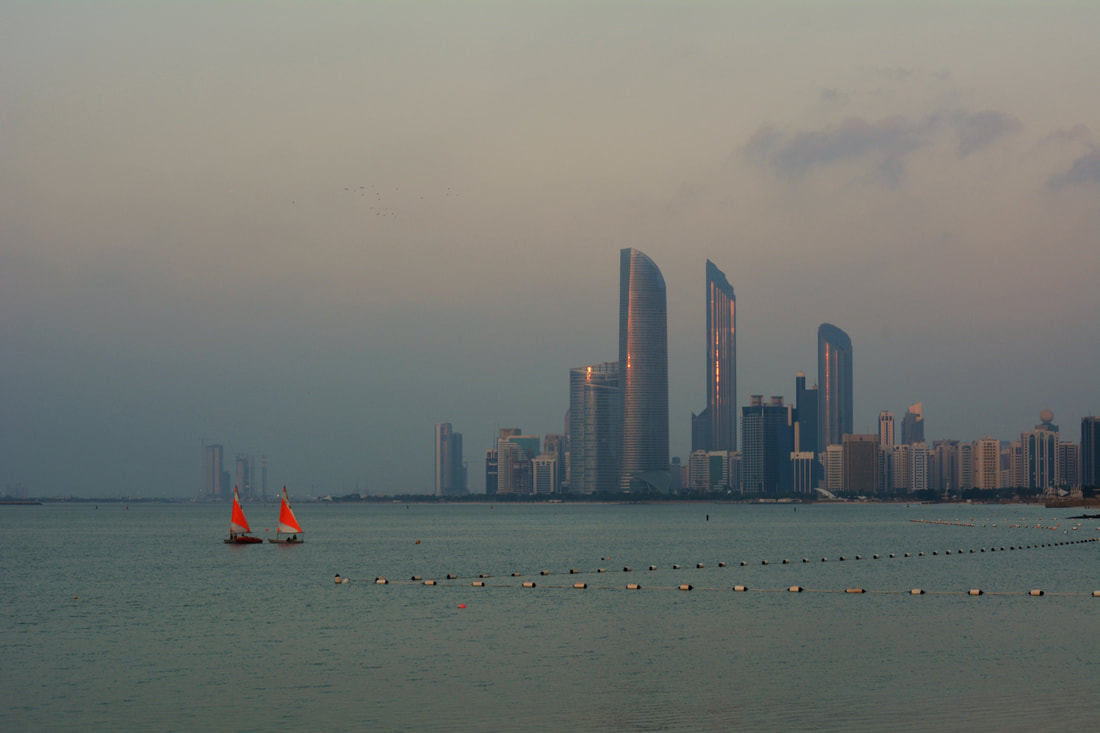
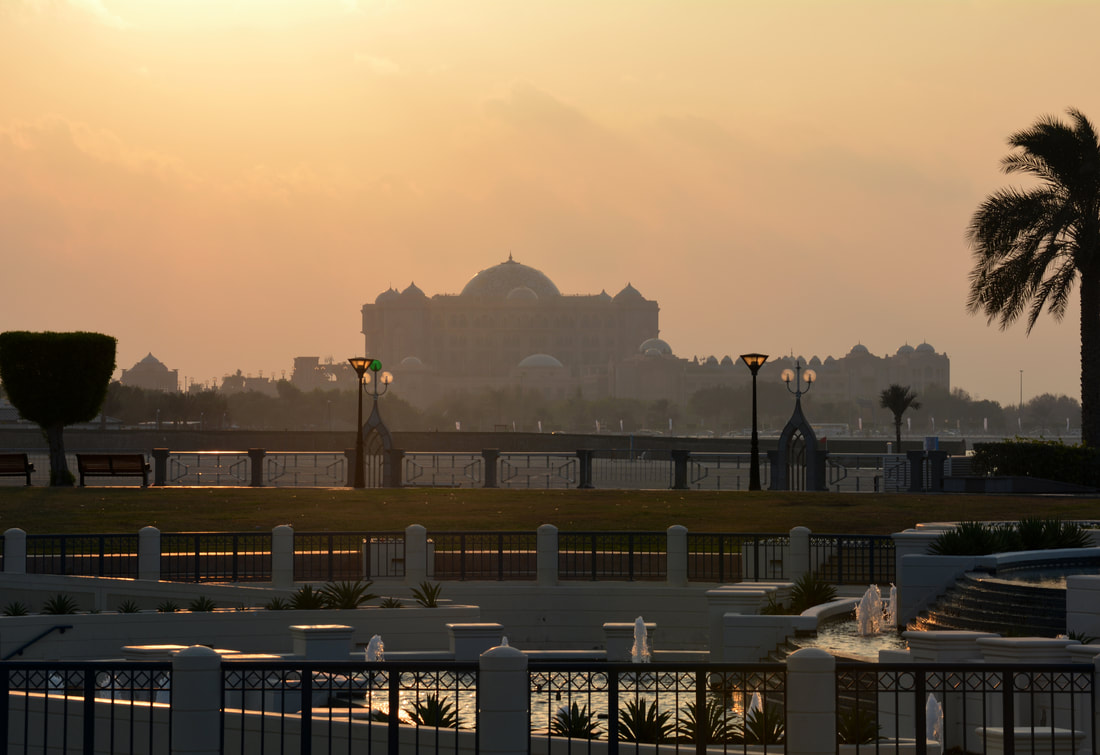
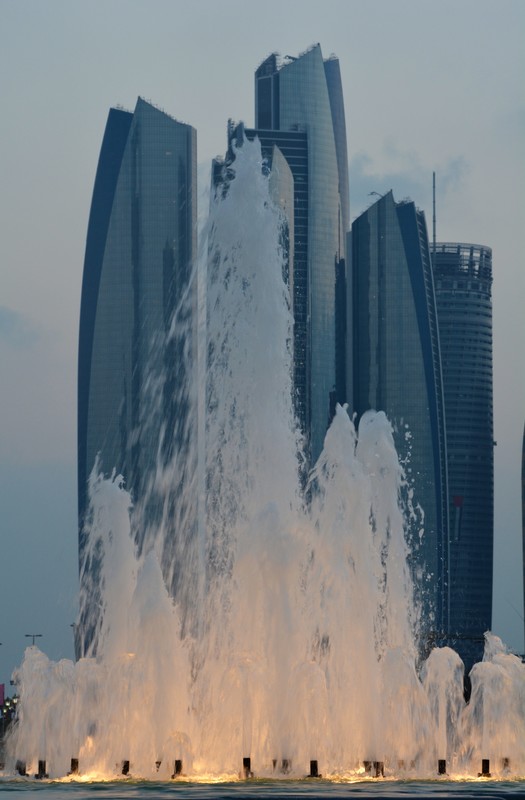
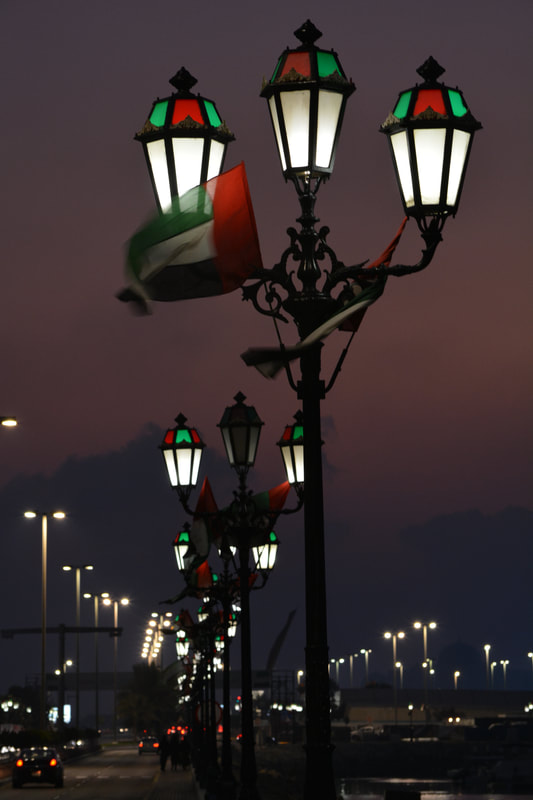
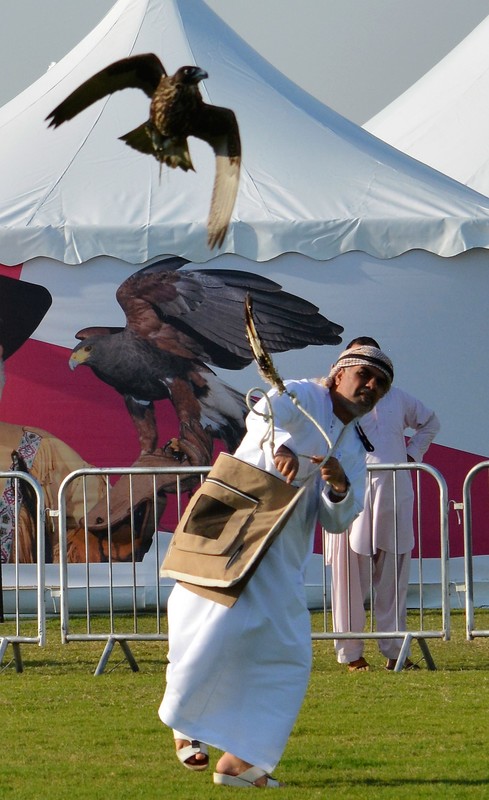
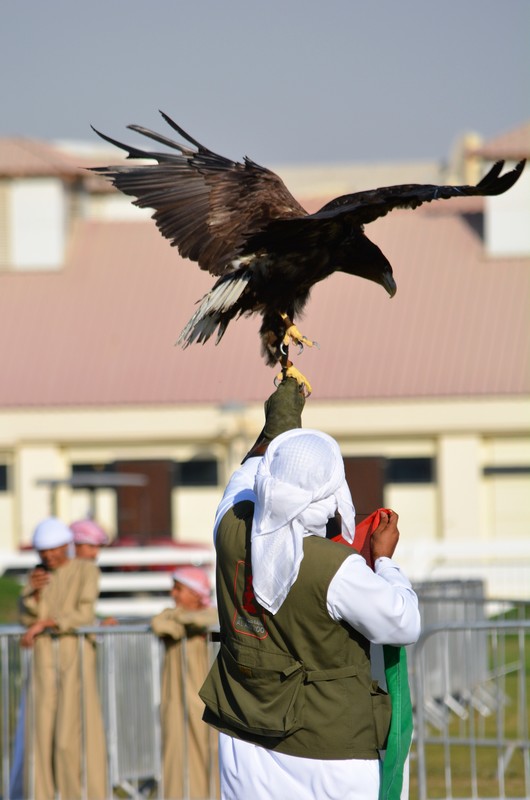
These photos were taken during a single long walk across the city of Abu Dhabi. Having departed from the Sheikh Zayed mosque at the morning prayer, I intended to arrive at the great flag mast on the sea shore at dusk. I did not manage to do this. I came to the shore at sunset and went on walking toward the mast across an empty section of dunes when I noticed a police car following me at a respectable distance...